The whole picture, one clear step at a time
You don't need a green thumb to bring nature inside. Discover how light, water, and timing work together to create a thriving indoor ecosystem.
Start with the basicsWhy this matters to you
Bringing greenery indoors changes the dynamic of your space. It breathes life into corners that feel empty, purifies the air you share, and gives you a grounding, daily rhythm. We walk you through every stage of this process.
You'll learn to spot what a plant needs before it asks, translating the silent language of dropping leaves or stretching stems. This isn't about rigid rules; it's about observation, patience, and creating an environment where both you and your plants thrive.

Four roads into the subject
1. Getting your bearings
If you have never kept a plant alive for more than a week, this is your starting line. We strip away the jargon and focus purely on what keeps a plant breathing: the right soil, understanding your windows, and knowing when to leave the watering can alone.
Read the basics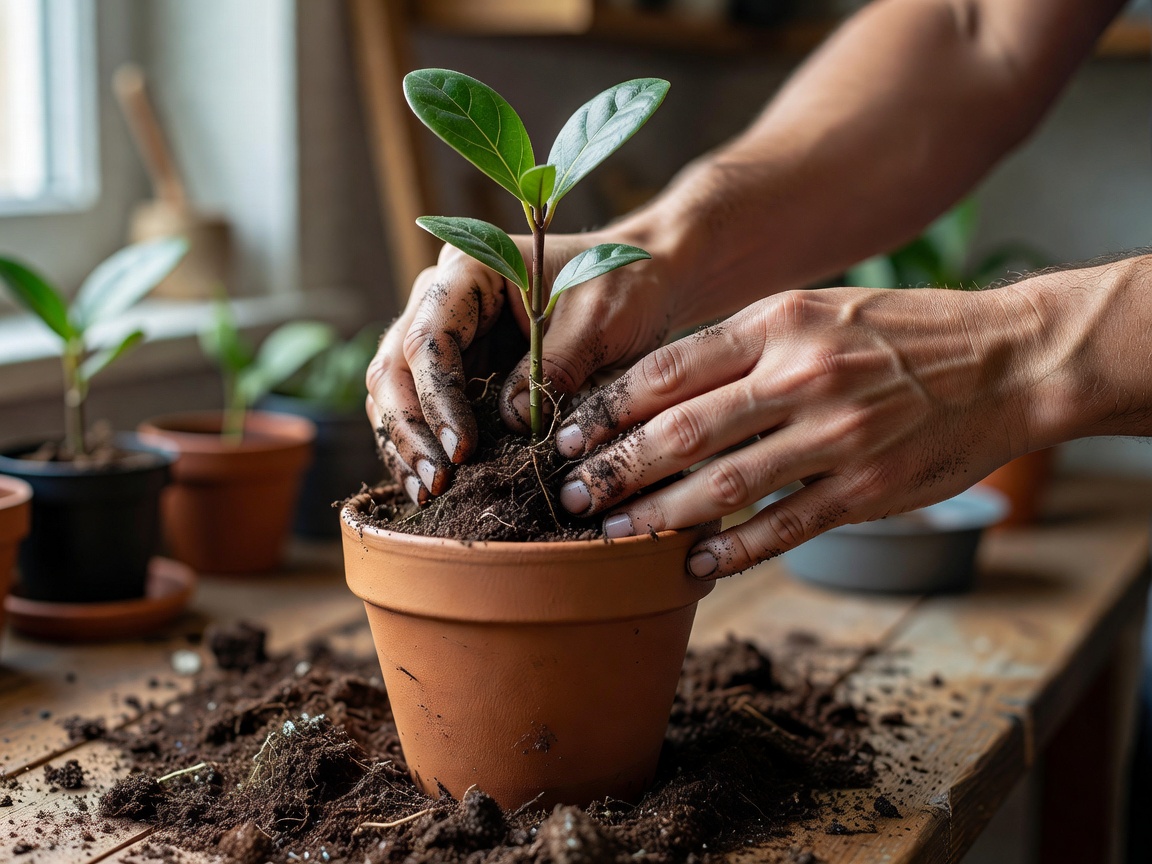
2. Going further
Once you understand the fundamentals, you can begin to control the environment. We look closely at humidity regulation, creating custom soil mixes tailored to specific roots, and identifying the early warning signs of pests before they take over.
Explore the deep dive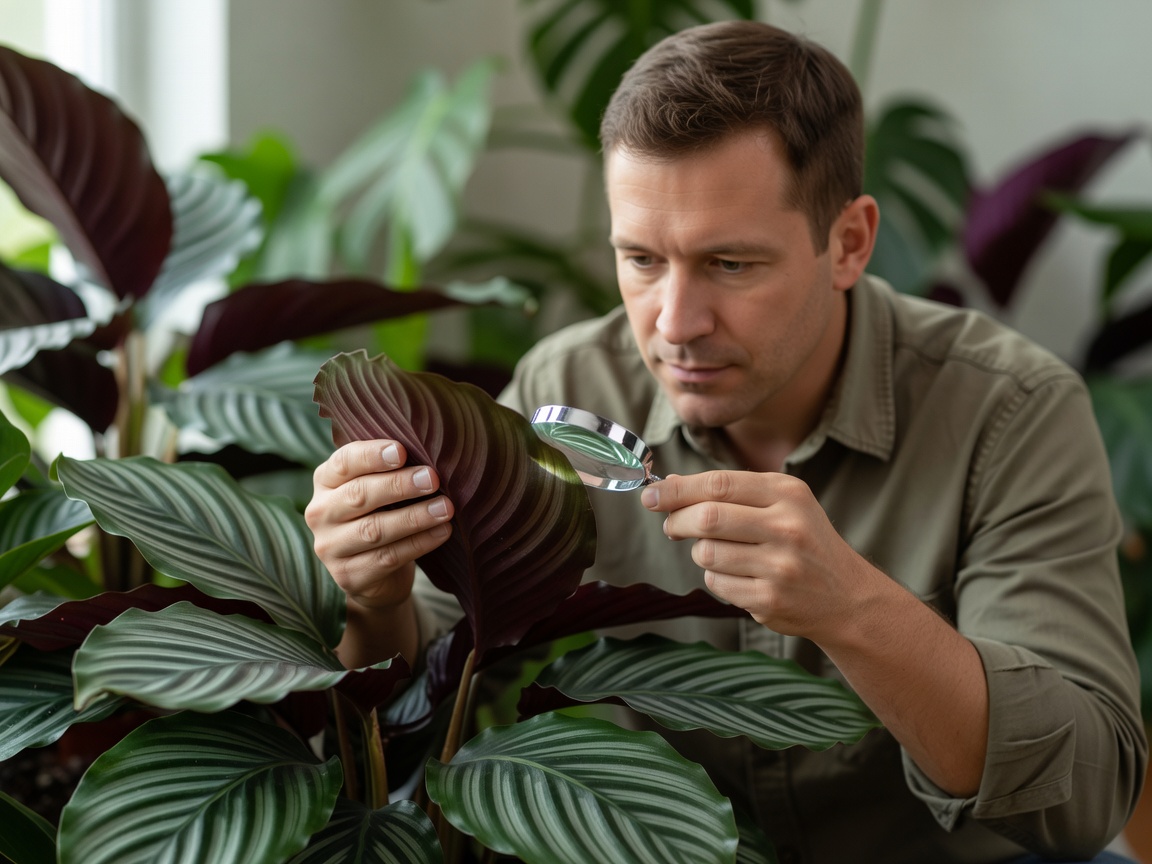
3. Side by side
Not all plants fit all spaces. We lay out the most common choices side by side, comparing their needs for light, water, and attention. See exactly how a Snake Plant stacks up against a Calathea when placed in a north-facing window.
See the comparisons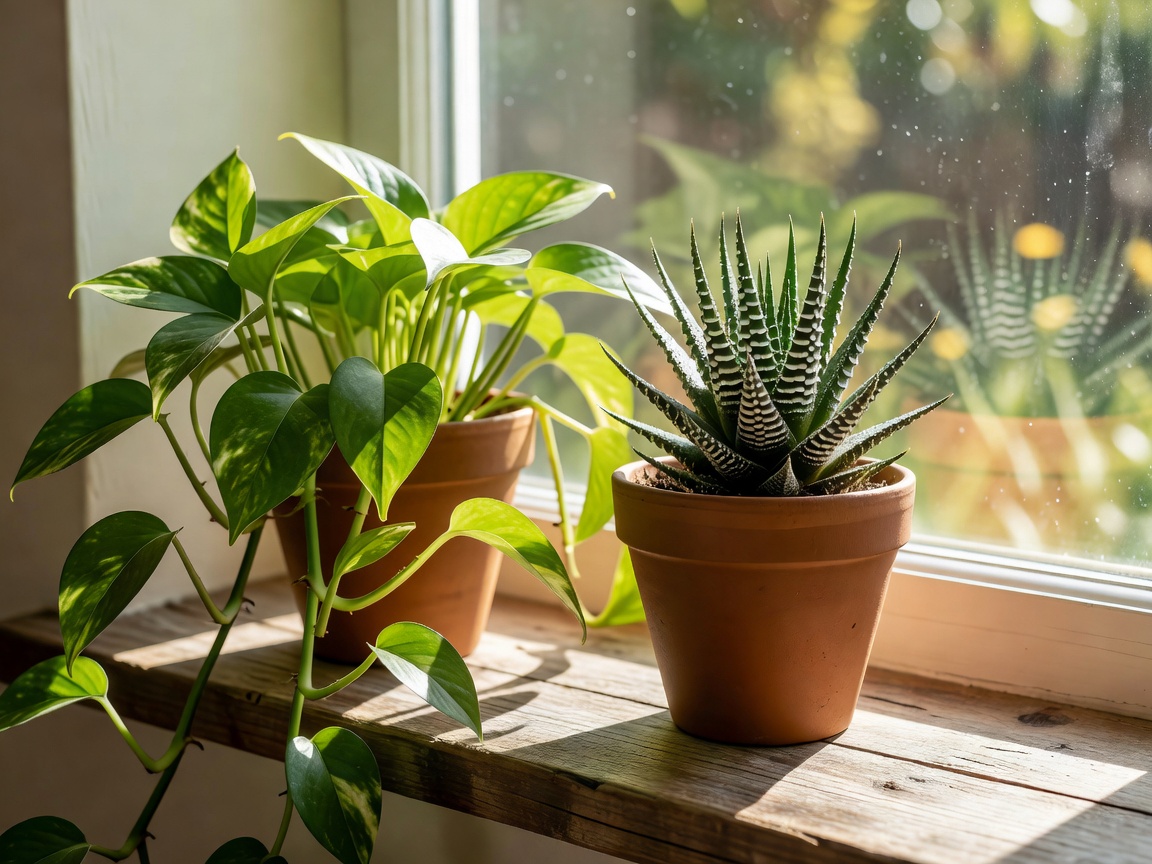
4. How we got here
The practice of cultivating plants indoors isn't new. From Victorian parlors crowded with exotic ferns to the modern apartment jungle, understand the history and the evolution of urban botany that brought these specific species into our homes.
Understand the context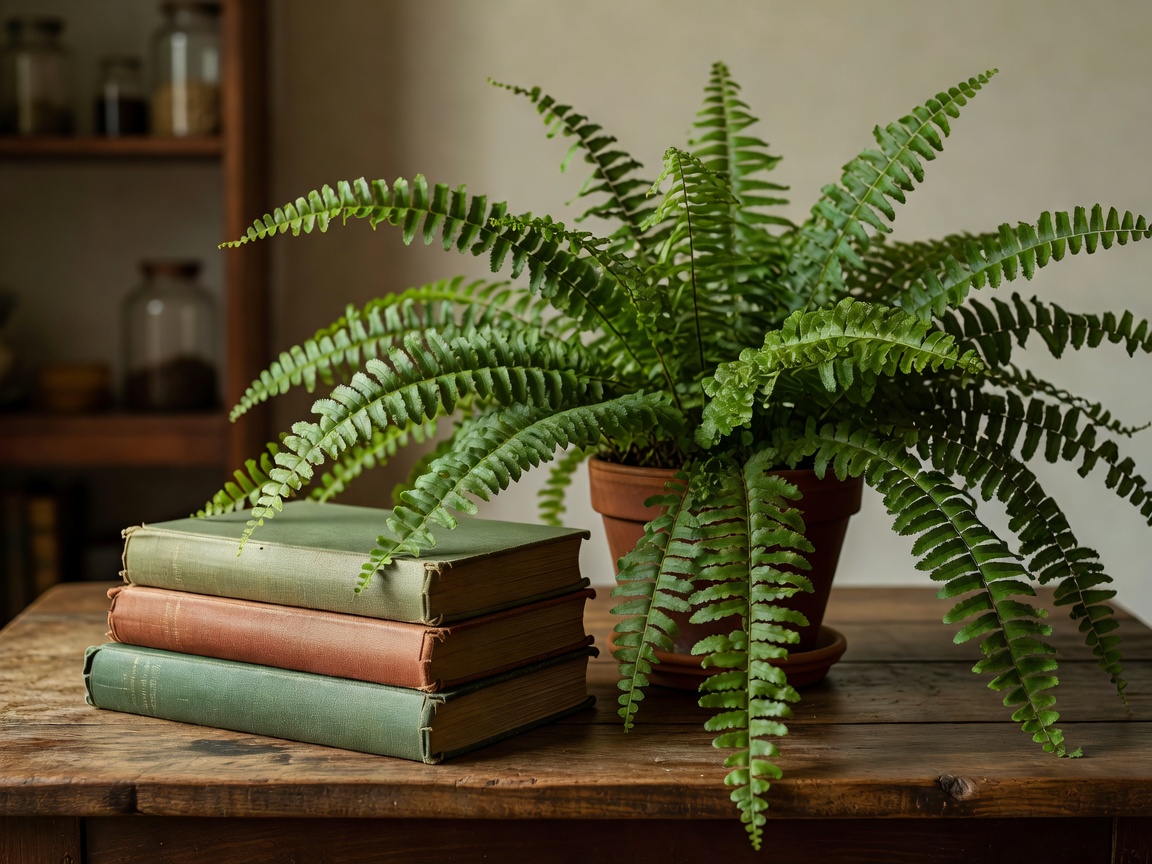
Names and places you'll meet
The botanical world is rich with distinct personalities. Here are a few cornerstones of the indoor gardening practice you will encounter.
Monstera Deliciosa
The iconic Swiss Cheese plant. Famous for its large, fenestrated leaves that adapt to catch dappled sunlight on the forest floor.
Epipremnum Aureum
Commonly known as Pothos. A trailing vine that is incredibly forgiving, making it a staple for beginners learning how to manage water.
Ficus Lyrata
The Fiddle Leaf Fig. A dramatic, structural tree that demands precise lighting conditions and strict watering routines to flourish.
Zamioculcas Zamiifolia
The ZZ Plant. Renowned for its fleshy, water-storing rhizomes, allowing it to survive long periods of neglect in low light.
Spathiphyllum
The Peace Lily. An excellent communicator that dramatically droops when thirsty, recovering completely once watered.
Sansevieria Trifasciata
The Snake Plant. Architecturally striking and capable of surviving in almost any room, it is a master class in low-maintenance botany.
Questions people actually ask
You test the soil, not a schedule. Push your finger two inches into the dirt. If it feels dry, it's usually time to water. If it feels moist, wait. Different plants have different thresholds, but this is the safest baseline.
It means the plant is close to a sunny window, but the sun's rays aren't physically touching the leaves. Think of a spot where you could comfortably read a book without turning on a lamp, but without squinting into the sun.
Brown, crispy tips usually point to a lack of humidity in the air or inconsistent watering. If the edges are soft and yellowing, it's often a sign of overwatering and root distress.
Yes, but only during their active growing season (usually spring and summer). Potted plants eventually deplete the nutrients in their soil, so adding a balanced liquid fertilizer restores what they need to build new leaves.
Who writes this, and why

We are an independent team of urban botany enthusiasts. Happy Rumble Corner BR was built to cut through the noise and deliver clear, actionable advice without sponsorships dictating our recommendations.
Learn more about usDrop us a line
We read every note and love hearing about your botanical successes (and failures).
Go to contact form